Commercial Waste Removal in Wandsworth
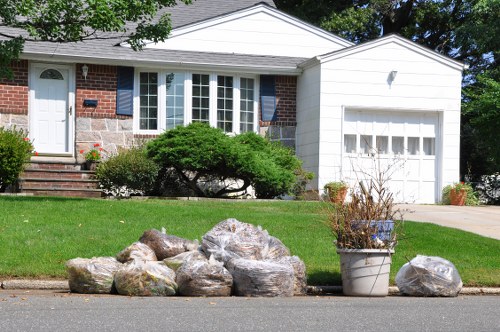
Commercial waste removal in Wandsworth needs to be practical, adaptable and clear enough for busy premises to plan around. We provide a structured service for businesses that need ongoing collections, one-off clearances or help with specific waste streams such as office furniture, shop fittings, appliance items and mixed commercial rubbish. The aim is straightforward: to move waste away efficiently while keeping the process organised, lawful and suitable for the type of material being handled.
Our service is built around different commercial settings rather than a one-size-fits-all approach. A small office may only need occasional business waste removal, while a larger site could need a broader plan that includes bulky items, storage clear-outs and regular collections. We also handle specialist removal pages for particular item types, so businesses can choose the most relevant route instead of trying to fit everything into a single request.
For many customers, the most useful starting point is to identify what needs removing, separate anything confidential or reusable, and then ask for a clear quotation. If you already know the categories of waste involved, that helps us direct the enquiry more accurately. Commercial waste should be matched to the right disposal method, especially when electrical items, heavier materials or mixed contents are involved. You can make an enquiry when you are ready, or use the pricing information first if you would like to compare the likely options.
Business waste collections for day-to-day operations
Everyday business waste tends to build up in the background: packaging, office clutter, broken fixtures and items that no longer fit the working space. A sensible removal service keeps that stream moving without turning collections into a disruption. We can support premises that need recurring business waste handling as well as customers who need a single clearance after a move, refurbishment or stock change. The focus is on keeping the job tidy and manageable from the first enquiry to the final loading.
If your waste includes paperwork, archived items or material that must be handled carefully, it is helpful to separate those concerns before collection. Our confidential shredding page is useful where sensitive documents are part of the clear-out, while general rubbish can be assessed alongside other waste categories. This makes it easier to plan a removal that matches the contents, rather than forcing everything into one generic solution. It also gives businesses a cleaner way to decide what should be destroyed, recycled or removed as mixed waste.
Commercial sites often benefit from a brief preparation check before requesting a quote:
- list the main item types or waste streams
- note any heavy, awkward or fragile pieces
- identify access issues such as stairs, lifts or narrow entrances
- separate anything confidential, hazardous or reusable
Office clearances and internal clear-outs
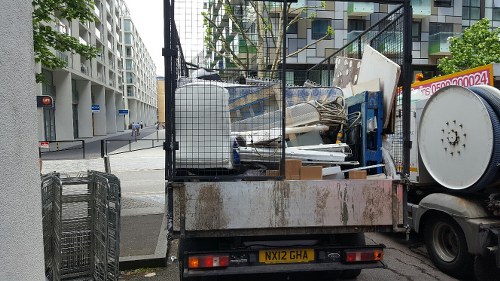
Offices usually need waste removal for more than just everyday rubbish. Desks, chairs, monitors, storage units, filing cabinets and mixed equipment all create different handling requirements. Our office clearance service is relevant where a workspace needs to be emptied in part or in full, whether that is because of a move, a redesign or the end of a tenancy. The work is best planned around access, item size and the amount of sorting required on site.
In many office environments, the challenge is deciding what should be removed together and what should be separated first. We can handle mixed office contents, but it is often useful to group items by category so that the clearance is more efficient. Furniture disposal, for example, can sit alongside general waste removal when the items are no longer usable, while electronics may need a different handling route. That is one reason a single visit can still involve several distinct waste decisions.
Office and business customers often ask whether a clearance should happen before or after a move. The answer depends on what remains in the building, whether tenants are leaving equipment behind and how much access is available during working hours. A well-planned clearance gives you space to concentrate on the next stage of the move without leaving unwanted items behind. Choosing the right service page first can save time, because the quotation can reflect the actual mix of items rather than a rough guess.
Bulky items, furniture and appliance removal

Commercial waste removal often includes bulky items that are awkward to move and unsuitable for standard rubbish handling. Chairs, reception furniture, shelving, cabinets and soft furnishings can all require a more considered approach. Our furniture clearance and furniture disposal pages are relevant where the main task is to remove pieces that have reached the end of their useful life. This is especially helpful for offices, shops and hospitality premises that are updating interiors or clearing storage areas.
Some items belong in dedicated categories because they carry their own handling requirements. If a business needs to remove a fridge, freezer or similar appliance, our fridge and appliance removal page is the better fit. Likewise, mattresses and sofas are often easier to plan separately through mattress and sofa disposal when the clear-out includes soft domestic-style items from staff rooms, serviced accommodation or customer areas. Separating these items makes the quotation and collection planning more accurate.
Bulky waste is not just about lifting capacity. It also affects route planning, loading order and how much sorting is needed before removal begins. If items are stacked in storerooms, piled in back offices or spread across several floors, the process may take a different shape from a single-room clearance. We can help with that planning, but the key is to describe the items in practical terms rather than simply calling them “furniture†or “general wasteâ€.
House, flat and loft contents where businesses need mixed clearance
Some commercial enquiries include domestic-style items because a property is being managed, refurbished or emptied after a change in use. In those situations, our house clearance, flat clearance and loft clearance pages are useful references for the type of work involved. They are particularly relevant where contents include a mixture of furniture, bags, boxes and stored items that need careful removal rather than a standard rubbish collection.
Property managers and landlords sometimes need to clear a space that has accumulated more than one category of waste. A loft may hold old stock, archived papers or broken fixtures; a flat may contain a mix of household and commercial items; a house used for business purposes may need a broader contents removal. In these cases, the service choice matters because it affects the level of sorting, the likely access problems and the type of equipment needed to complete the job properly.
These clearances usually work best when the client can identify what is staying, what must go and what needs to be checked before removal. That does not require a full inventory, but it does help to know the main item groups and whether any pieces are especially heavy, fragile or awkward. When a quote is prepared from that information, it is easier to avoid surprises and to line up the right crew for the actual clearance.
Builders waste and refurbishment debris
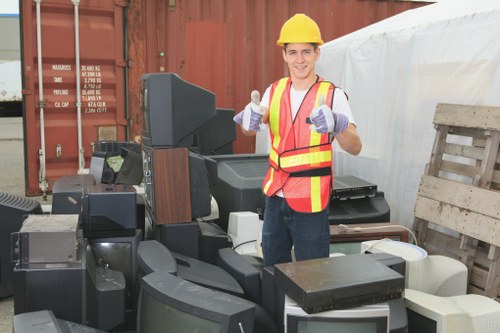
Construction and refurbishment work creates waste that is different from ordinary office or domestic rubbish. Offcuts, packaging, broken fittings, tiles, timber, plasterboard and mixed site debris often need a service that understands the difference between general commercial waste and builders material. Our builders waste clearance page is suitable where the main task is to remove post-work debris from a renovation, fit-out or repair project. It is a practical option for traders, landlords and commercial clients managing a site with active change.
Builders waste usually needs the site to be described in more detail than a simple bag collection. The amount of loose material, the type of debris, the level of access and whether the waste is inside or outside all affect how the clearance should be organised. If the area contains mixed items as well as construction debris, it may be useful to combine this with broader waste removal or furniture removal, depending on what is left behind after the work finishes. That avoids paying for the wrong type of collection.
Clearance planning matters when a project is on a tight schedule. Even a modest amount of debris can slow the handover of a room, unit or office if it is not grouped properly. A concise quotation request that describes the waste type, the location within the property and any access restrictions usually gives the best starting point. From there, the collection can be matched to the debris rather than forcing the debris into a generic category.
Garden and outdoor waste for commercial premises
Outdoor spaces can produce a different kind of waste profile, especially for properties with grounds, staff areas, storage yards or customer-facing gardens. Our garden clearance page is relevant where the waste is mainly green material, cuttings, broken outdoor furniture, planters or other exterior items. Commercial premises often need this kind of work after maintenance, seasonal changes or a clear-out of unused outdoor features.
Garden waste is often lighter in appearance than internal waste but can still be awkward when it has been left to accumulate. Damp material, mixed plant matter and broken outdoor fittings may need separating before removal. If the waste includes non-green items, it is worth flagging those separately so the collection is planned correctly. Businesses with outdoor areas may also find that a garden clearance links naturally with broader waste removal when the site contains both maintenance debris and general refuse.
Many businesses use outdoor spaces for storage, access or customer seating, so keeping them clear can be part of ordinary operations rather than a one-off tidy-up. That means it is useful to decide whether you need a single visit or a repeat arrangement. If the waste is mainly seasonal, it may be better to wait until the full pile-up is visible before asking for a quotation. That approach usually gives a more accurate picture of the work involved.
Specialist and sensitive waste streams
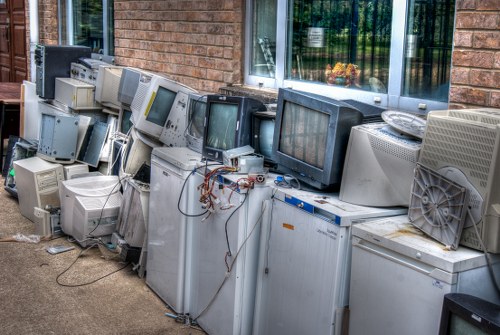
Not every commercial clearance is best handled as mixed waste. Some items need a more specific route because of their condition, composition or handling requirements. We provide dedicated pages for hazardous waste disposal, recycling and sustainability and what can go in a skip, each of which can help customers understand how certain materials should be assessed before removal. The service choice matters more when the waste includes restricted or separable items.
Hazardous or potentially sensitive waste should never be treated as a casual add-on to a normal clearance request. Items in that category need to be identified carefully so that the removal route matches the material. Likewise, if the main concern is whether reusable or recyclable material can be separated from general waste, it is helpful to raise that at the quotation stage. A planned approach reduces confusion and gives businesses a clearer sense of which materials are suitable for each collection type.
For organisations that prefer to keep waste handling tidy and consistent, a short checklist can help before contacting us:
- which items are general waste and which need a specialist route
- whether anything confidential, fragile or unusual is included
- how much of the waste is reusable, recyclable or disposable
- what access is available at the premises
About Wandsworth
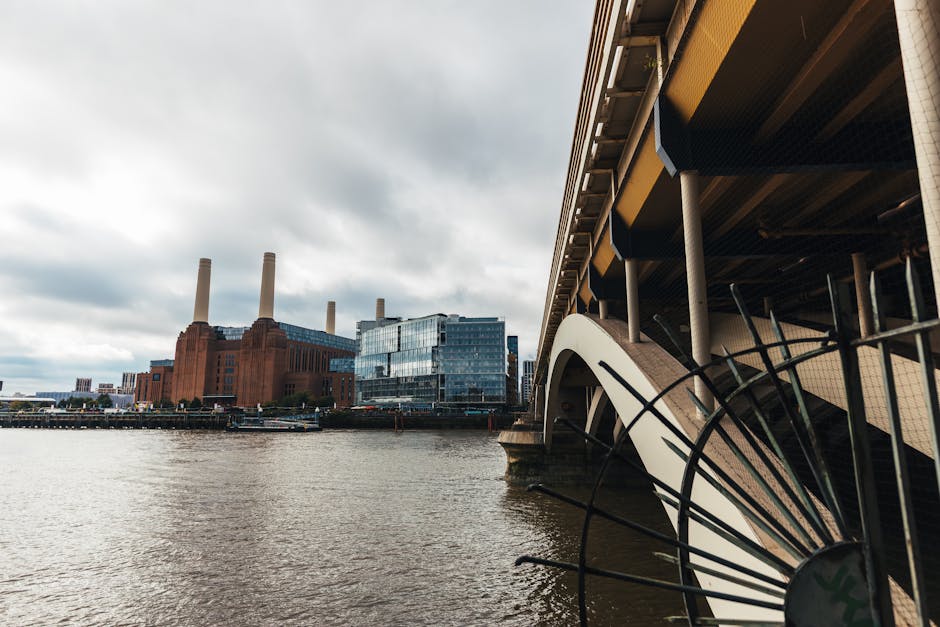
Wandsworth is a district in south-west London on the south bank of the River Thames, with a history shaped by river trade, industry, transport and residential growth. The area takes its name from the River Wandle, which meets the Thames nearby, and its wider landscape includes both older riverside character and later urban development. Wandsworth Town sits close to the river, while the surrounding borough contains a wide range of neighbourhoods, parks and streets that developed at different times. The river corridor has long influenced movement and local industry, and traces of that past remain in the street pattern and the mix of older buildings with newer development. Wandsworth Park, laid out in the late nineteenth century, provides a formal green space by the Thames, while nearby Battersea Park and Clapham Common sit within the broader south-west London cultural and recreational landscape. Putney Bridge connects the district to the north bank, and the area is also shaped by rail links, the busy junctions around Clapham Junction and the continuing presence of commercial routes along the river and main roads. Wandsworth itself includes landmarks such as the town hall, riverside walks and a series of conservation areas where historic buildings sit alongside modern housing and business premises. The district has grown into a place of mixed uses, with residential streets, local shops, office buildings and light industrial spaces existing close together. That variety gives the area a layered identity, with older place names and waterfront history still visible even as the built environment continues to change.
Pricing, access and the best way to request a quotation
The cost of commercial waste removal depends on the type of waste, the amount involved, how easy it is to access, and whether the job needs sorting, loading or specialist handling. A light office clear-out is different from a multi-floor furniture removal or a builders waste collection after refurbishment. That is why a useful quotation starts with the actual material rather than a broad assumption. If you know the waste category, the quantity and the premises type, the enquiry can be matched to the work more accurately.
When preparing a request, it helps to think about access points, parking, stairs, lifts and any time restrictions on the site. If the waste is spread across several rooms or includes items in storage, mention that too. You do not need to turn the process into a full inventory, but a short description of the main task is enough to start the conversation. If you want to compare service routes before making a decision, you can review the relevant page first and then ask for the most suitable quotation.
The simplest next step is to choose the service that best fits your waste type and send the details in one go. Request a quotation when you are ready, or use the relevant service page first if you want to narrow the options. We can then look at the most appropriate removal route for your business waste in Wandsworth and help you move from enquiry to arranged collection without unnecessary delay.